Swette Sustainable Food Systems
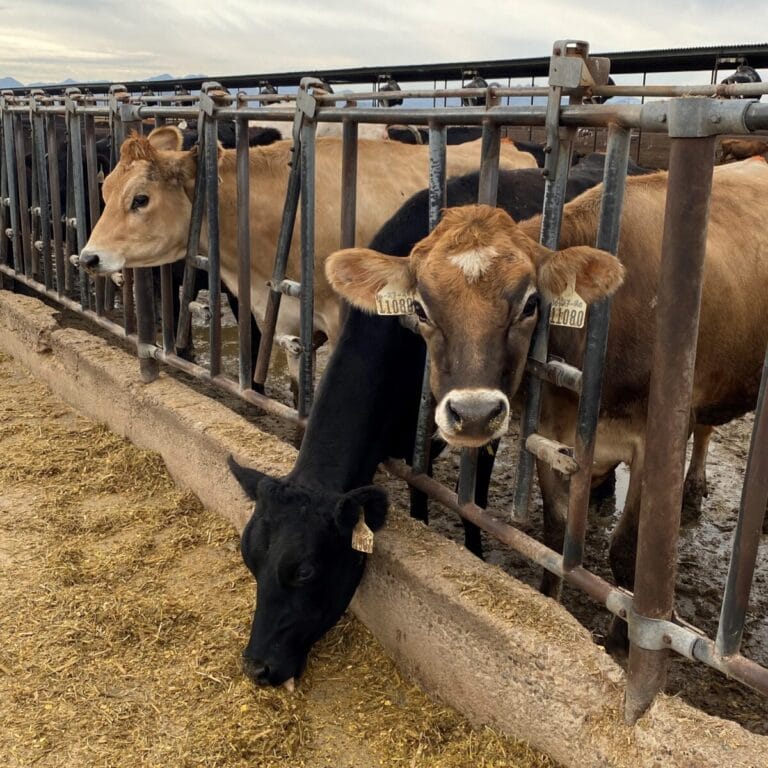
Insight on the dairy industry from Kerr Family Farms
In December of 2021, the new cohort of ASU graduate students in the Sustainable Food Systems program spent a morning visiting and touring Kerr Family Farms in the West Valley area of Maricopa County, Arizona. Farmer Wes Kerr explained the history of the family farm, daily logistics on the farm, and his passion for dairy farming.
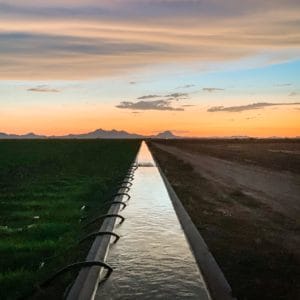
Water in the West
Water security is a major – and often growing – challenge for many countries today. The magnitude of impact is profound as water scarcity drives the bottom line for food sovereignty and food security.
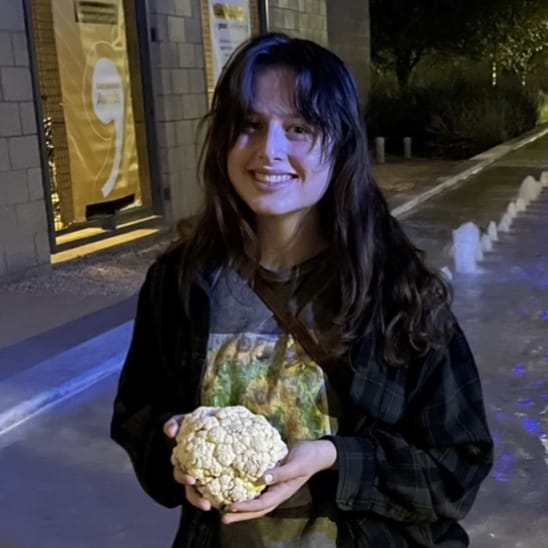
Meet Swette Center staff member, Elora
In this series, we’re meeting with Swette Center team members to explore their background in food systems, what they are currently working on, and their vision of food systems transformation. Read on for an interview with Elora Bevacqua, Student Worker.
Restoring ancient aquifers to secure water for the future within the Gila River Indian Community
As sustainability and food systems students, it is inspiring to witness successful environmental projects and a privilege to learn from indigenous people. Over Fall term, our class of graduate students with the ASU Swette Center for Sustainable Food Systems had been learning about managing natural resources. Now we were on a Food and Farm Tour of Arizona, visiting different types of farms, ranches, and orchards while learning about different aspects of our food system.
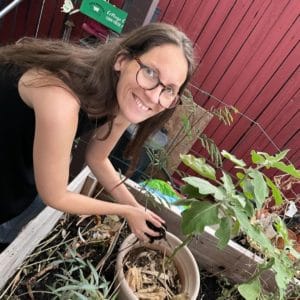
Meet Swette Center staff member, Estève Giraud
In this series, we’re meeting with Swette Center team members to explore their background in food systems, what they are currently working on, and their vision of food systems transformation. Read on for an interview with Estève Giraud, PhD student.
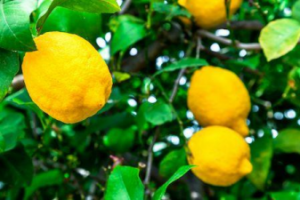
The history of Kuechel Farms and the future of Arizona lemons
It’s not by accident that the history of Kuechel Farms, a large citrus grower in Yuma, Arizona begins in a town called Orange. His family is largely responsible for creating the ubiquitous orange groves that sprawled across the town and county that would later bear that fruit’s name. The lessons he learned from the rise and fall of his family farm in Orange, California may be the very thing that saves his current citrus farm in Yuma, Arizona.
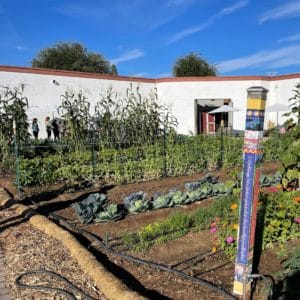
Transforming the food system through elementary schools
During our December immersive, we had the pleasure of touring and participating in the farm-to-school and “edible education” program called Garfield’s Garden on the Corner. Led and managed by the Mollen Foundation, we experienced the collaborative efforts between the Foundation and Garfield Elementary School.

Meet affiliated faculty Jim Elser
Read on for an interview with James (Jim) Elser, Director of the Sustainable Phosphorus Alliance.
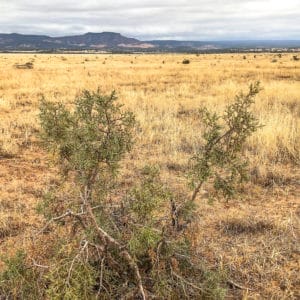
Western rangeland management and conservation at Arizona’s Bar Heart Ranch
Increasingly, ranching and conservation are viewed as mutually exclusive practices. One is centered on resource consumption while the other advocates for the protection of wildlife, wild lands, and natural habitats. As wild species worldwide continue to lose vital habitat to suburban and exurban development, sprawl, and agriculture, the relationship between ranching and conservation grows more complicated.
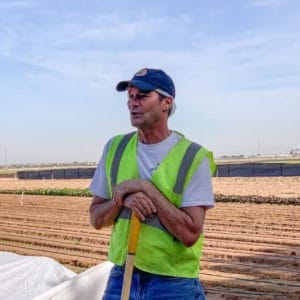
Duncan Family Farms: From feeding people to feeding the soil
On December 7, the Food Policy and Sustainability Leadership students visited Duncan Family Farms during a week-long immersive exploring farms, ranches, food processors, and gardens around Arizona.
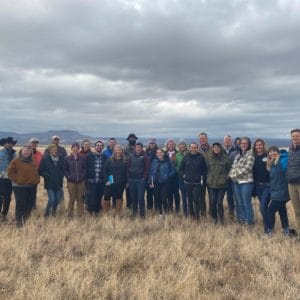
An eye-opening journey through the vibrant desert
The ASU Farm Immersive was a journey through the desert to meet some of the innovative and hardworking people who are growing and processing our food, conserving our natural resources, and managing land in Arizona.

The potential of pulses
Can you envision the value and versatility of a food that can grow in any climate, is highly nutritious, requires low water input, can self-fertilize, and has a long shelf-life? These are the prominent advantages of an ancient food called pulses.